George Washington Poured Oil on Troubled Waters
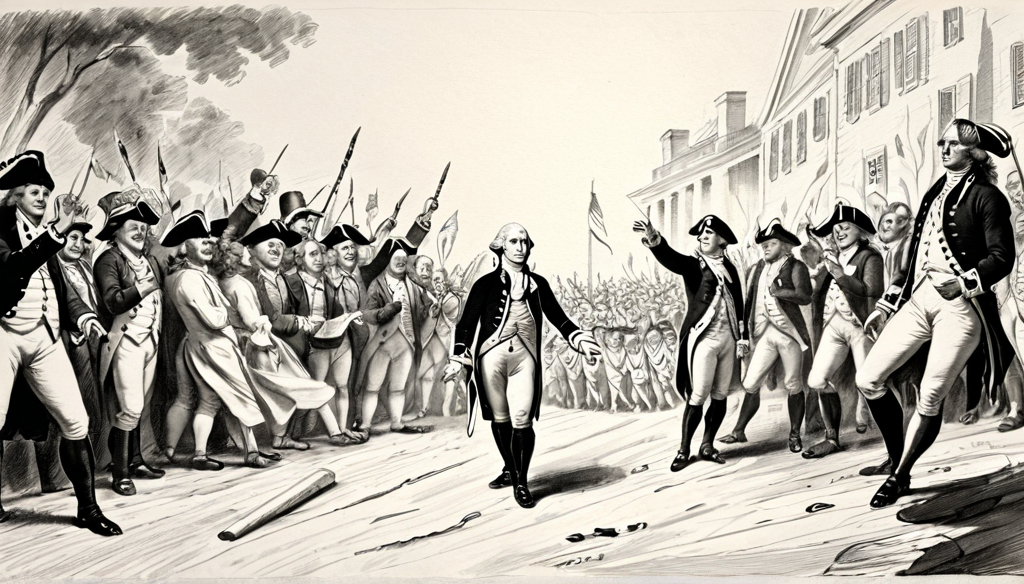
George Washington Poured Oil on Troubled Waters
At some of the most fragile moments in American history, George Washington didn’t escalate conflict—he calmed it.
While many remember him as a battlefield general, his greatest strength may have been something quieter: the ability to steady a nation on the edge of crisis.
Washington’s Quiet Genius
Again and again, Washington faced situations that could have spiraled out of control. Instead of reacting with force or emotion, he chose restraint, persuasion, and timing.
1) The Newburgh Conspiracy: Preventing a Military Crisis
In 1783, angry and unpaid officers in the Continental Army were on the verge of revolt.
Washington didn’t threaten them. He appealed to their honor.
That moment helped stop what could have become a military challenge to Congress—and possibly the collapse of the young republic.
2) The Whiskey Rebellion: Firm, Not Reckless
In 1794, violent resistance to a federal tax tested the authority of the new government.
Washington responded decisively by mobilizing militia forces—but avoided unnecessary bloodshed.
He proved the government could enforce the law without becoming tyrannical.
3) The Jay Treaty: Choosing Stability Over Popularity
The Jay Treaty with Britain was deeply unpopular.
Washington supported it anyway, believing that avoiding war was more important than short-term approval.
He absorbed public backlash to preserve long-term stability.
4) Neutrality: Keeping America Out of Europe’s Wars
With Europe in turmoil, many wanted the U.S. to take sides.
Washington chose neutrality—not out of weakness, but to protect a young nation that wasn’t ready for global conflict.
5) The Farewell Address: A Warning About Division
In his final message to the nation, Washington warned that internal division could be just as dangerous as any foreign threat.
It was another attempt to lower the temperature before conflict could ignite.
Why This Still Matters
Washington’s leadership wasn’t just about winning battles.
It was about preventing crises from becoming disasters—knowing when to act, and when to calm the waters.
That kind of leadership is rare—and still relevant.
What Do You Think?
Would this kind of steady, restraint-first leadership work in today’s political and social climate?