How a Dead Englishman Helped Shape America
How a Dead Englishman Helped Shape America
Before Jefferson wrote the Declaration of Independence and Madison helped frame the Constitution, an English philosopher had already supplied some of the Revolution’s most powerful ideas.
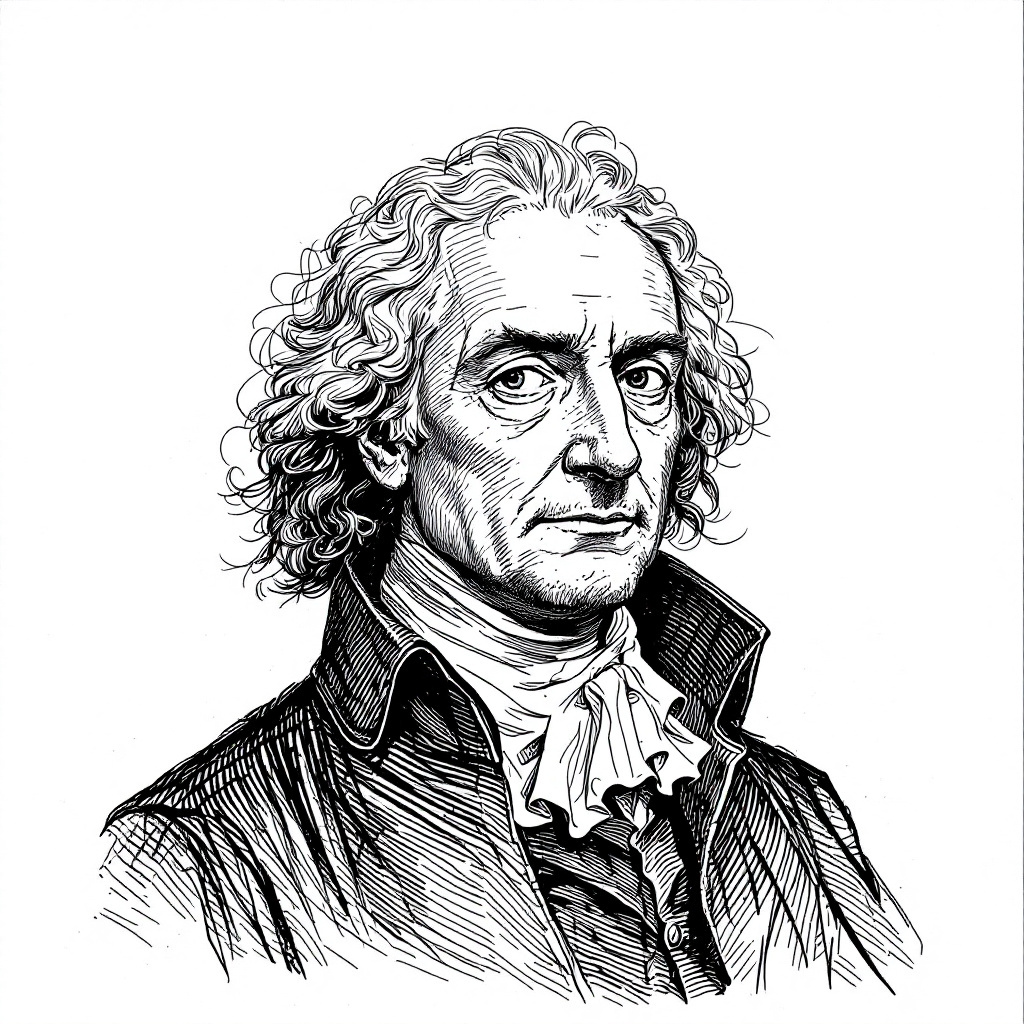
His name was John Locke (1632-1704)
Locke argued that people are born with natural rights: life, liberty, and property. Government does not create these rights. Its job is to protect them.
That was a radical idea in an age of kings.
Government by Consent
Locke believed government exists because people agree to form it—a social contract. Its authority comes from the people, not from birth, wealth, or royal decree.
But there was a condition: government had to protect the people’s rights.
When it failed—when it became destructive, abusive, or tyrannical—the people had the right to change it.
That idea became the intellectual spark behind the American Revolution.
Jefferson’s Revolutionary Rewrite
Thomas Jefferson turned Locke’s philosophy into unforgettable language.
Locke wrote of “life, liberty, and property.”
Jefferson wrote: “Life, Liberty and the pursuit of Happiness.”
And Jefferson made Locke’s central point unmistakable:
“Governments… deriv[e] their just powers from the consent of the governed.”
America’s argument for independence was not simply that Britain was unfair. It was that Britain had violated rights no king had the authority to take away.
From Ideas to Institutions
John Adams used these principles to defend the colonists’ right to resist British rule.
James Madison helped convert them into a durable system of government. The Constitution divides power, limits government authority, and makes public officials accountable to the people.
The Founders also drew from classical history, English law, and thinkers such as Montesquieu. But Locke’s influence runs directly through the Declaration’s argument: rights come first; government comes second.
Why It Still Matters
Locke died before the United States existed. Yet his questions still define American self-government:
- Where do our rights come from?
- What makes government legitimate?
- What happens when power is abused?
The Declaration and Constitution offer the same answer: the people possess rights, and government exists to secure them—not to rule over them.